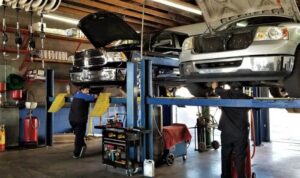
Kicking off with Auto Hail Damage: When to Repair and When to Replace, this opening paragraph is designed to captivate and engage the readers, providing an interesting overview of the topic.
Delving into the details, we explore the different types of hail damage, repair techniques, factors to consider, and when replacement is the better option.
Overview of Auto Hail Damage
Auto hail damage refers to the destruction caused to vehicles by hailstorms. Hailstones vary in size and hardness, leading to a range of damages on the surface of cars. This type of damage can affect the appearance and value of a vehicle.
Common Types of Hail Damage
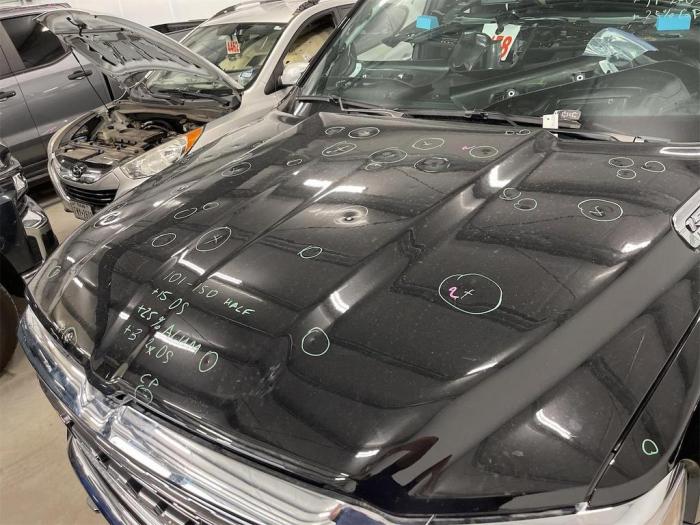
- Dents: Small or large indentations on the car’s surface caused by impact from hailstones.
- Cracks: Hailstones can sometimes result in cracks on the windshield or windows of a vehicle.
- Paint Damage: Hail can chip or scratch the paint, exposing the metal underneath.
Impact on Appearance and Value
Auto hail damage can significantly affect the overall appearance of a car, making it look unsightly and reducing its aesthetic appeal. In terms of value, a vehicle with hail damage may be perceived as less valuable in the eyes of potential buyers or insurers.
It is crucial to address hail damage promptly to maintain the appearance and value of the vehicle.
Repair Techniques for Auto Hail Damage
When it comes to repairing auto hail damage, there are various techniques that can be employed to restore the vehicle’s appearance. Traditional repair methods involve using body filler and repainting the affected areas to fix the dents caused by hail.
However, paintless dent repair (PDR) has gained popularity due to its effectiveness in repairing hail dents without the need for repainting.
Paintless Dent Repair (PDR)
Paintless dent repair is a technique that involves massaging the dents from the inside of the panel, using specialized tools. This method is particularly effective for smaller dents caused by hail, as it preserves the original factory paint finish of the vehicle.
PDR is often quicker and more cost-effective compared to traditional repair methods, making it a preferred choice for many car owners.
- Pros of PDR:
- Preserves the original paint finish
- Quicker turnaround time
- Cost-effective
- Cons of PDR:
- May not be suitable for larger or more complex dents
- Requires specialized skills and tools
- Not all dents can be repaired using PDR
DIY Repair Kits vs. Professional Repair Services
When deciding whether to repair hail damage yourself or seek professional help, it’s essential to consider the extent of the damage and your skill level. DIY repair kits are available for purchase and can be used to fix minor dents at home.
However, these kits may not always deliver the same level of quality as professional repair services.
- Pros of DIY Repair Kits:
- Cost-effective
- Convenient for minor dents
- Can be used at home
- Cons of DIY Repair Kits:
- Limited effectiveness for larger dents
- May not produce professional results
- Requires some skill and patience
Factors to Consider Before Repairing Hail Damage
Before making a decision on repairing hail damage to your vehicle, it is crucial to assess various factors that can influence the repair process. Factors such as the size, depth, and location of the hail dents play a significant role in determining the appropriate repair options.
Additionally, understanding the role of insurance coverage in repairing auto hail damage is essential to make informed decisions.
Extent of Damage Assessment
When assessing hail damage, consider the size of the dents. Smaller dents may be less noticeable and easier to repair, while larger dents may require more extensive repair work. The depth of the dents is also crucial, as deeper dents may affect the structural integrity of the vehicle.
Furthermore, the location of the dents on the vehicle can impact the repair process, with dents on certain parts requiring specialized techniques for repair.
Role of Insurance Coverage
Insurance coverage can play a vital role in the repair of auto hail damage. It is important to review your insurance policy to understand what coverage is available for hail damage repairs. Some policies may cover the cost of repairs, while others may require you to pay a deductible.
Working closely with your insurance provider can help you navigate the claims process and ensure that the necessary repairs are covered.
When to Replace Rather Than Repair
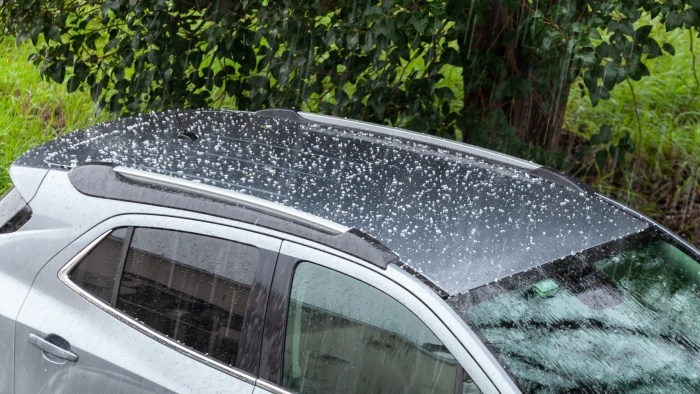
When it comes to auto hail damage, there are certain situations where replacing damaged parts may be a more practical and cost-effective solution than attempting repairs. In cases of severe hail damage that compromises the structural integrity of the vehicle, replacement may be the best course of action.
Examples of Severe Hail Damage Scenarios
In scenarios where the hail damage is extensive and has caused significant dents, cracks, or punctures in key structural components of the vehicle, repair may not be sufficient to restore the vehicle to its pre-damaged condition. In such cases, replacing the damaged parts, such as the hood, roof, or trunk, may be necessary to ensure the safety and functionality of the vehicle.
Impact of Extensive Hail Damage on Structural Integrity
Extensive hail damage can weaken the structural integrity of a vehicle, compromising its ability to withstand impact and protect occupants in the event of a collision. When the damage is severe enough to affect vital structural components, such as the frame or pillars, repair may not be able to fully restore the vehicle’s safety and stability.
In these situations, replacing the damaged parts becomes essential to ensure the overall structural integrity of the vehicle.
Final Thoughts
Wrapping up our discussion on Auto Hail Damage: When to Repair and When to Replace, we have covered key aspects to help you make informed decisions when dealing with hail damage on your vehicle.
Expert Answers
When should I consider replacing hail-damaged parts instead of repairing them??
In situations where the cost of repair exceeds the value of the car or if the damage is extensive, replacing parts may be more cost-effective.
What is the role of insurance coverage in repairing auto hail damage??
Insurance coverage can help offset the costs of repairing hail damage, depending on the policy and extent of damage. It’s important to check with your insurance provider for specific details.
How do I assess the extent of hail damage on my vehicle before deciding on repair??
You can assess the size, depth, and location of hail dents to determine the severity of the damage. Consulting a professional for an evaluation is also recommended.